With the new season just around the corner, I thought I’d share some pre-season preparation tips.
1. Replace the halyard or halyard top
If you’re an active RS Aero sailor, it’s probably a good idea to get a new halyard every season, or at a minimum replace the halyard top.
When the halyard top wears, it won’t hold so well in the mast top cleat. My halyard tail has broken a couple of times over the years, each time just below the knot or splice depending which halyard type I was using.
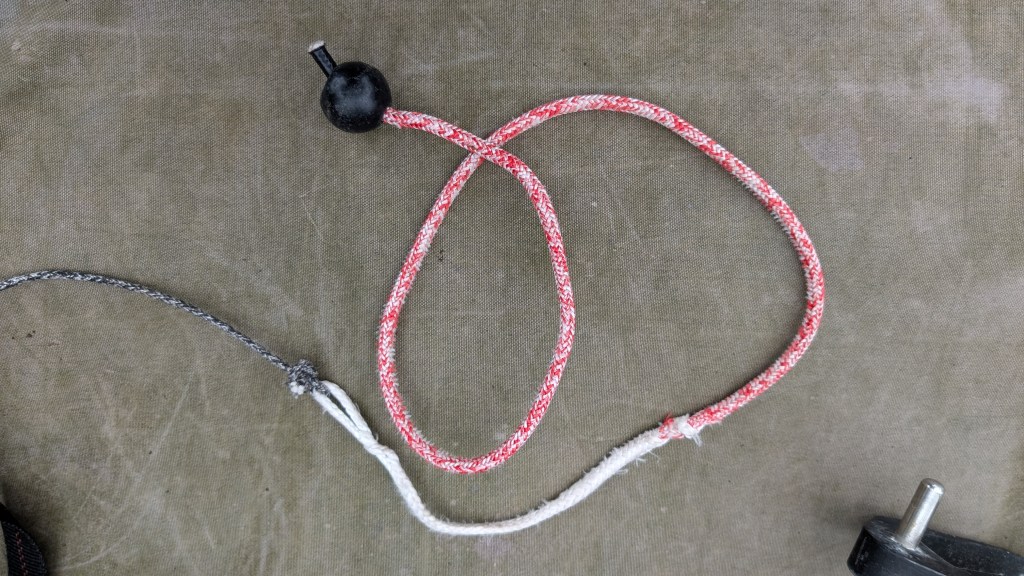
The halyward tail broke again recently – and since it was starting to slip anyway – I tried Sammy Isaacs-Johnson’s suggestion to use the Rooster RS Aero Halyard upgrade. This works a treat, holds tight, is easy to pull through the mast top bullseye and I was able to reuse the halyard tail.
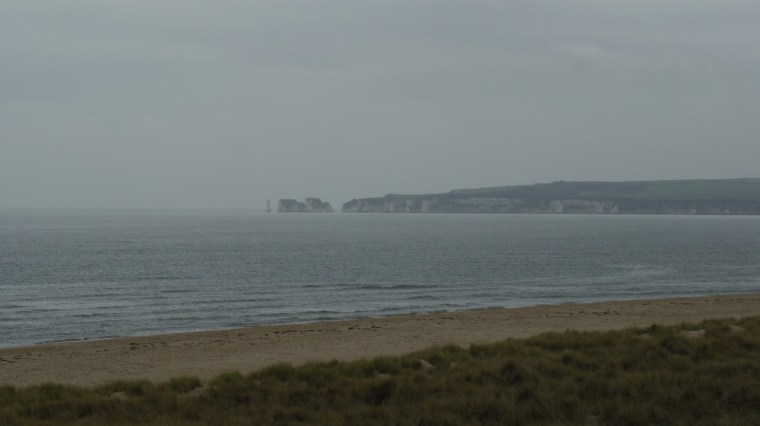
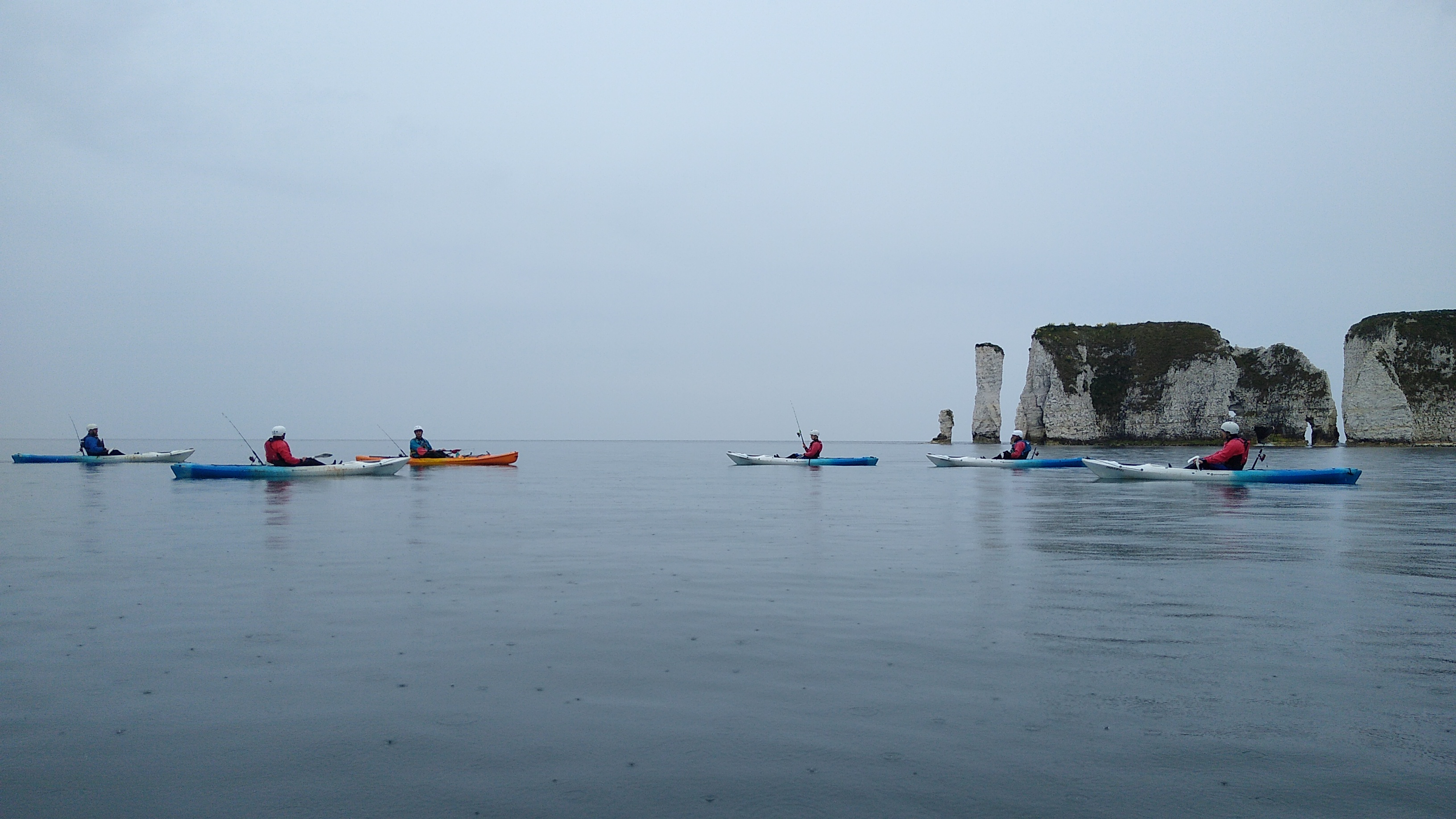
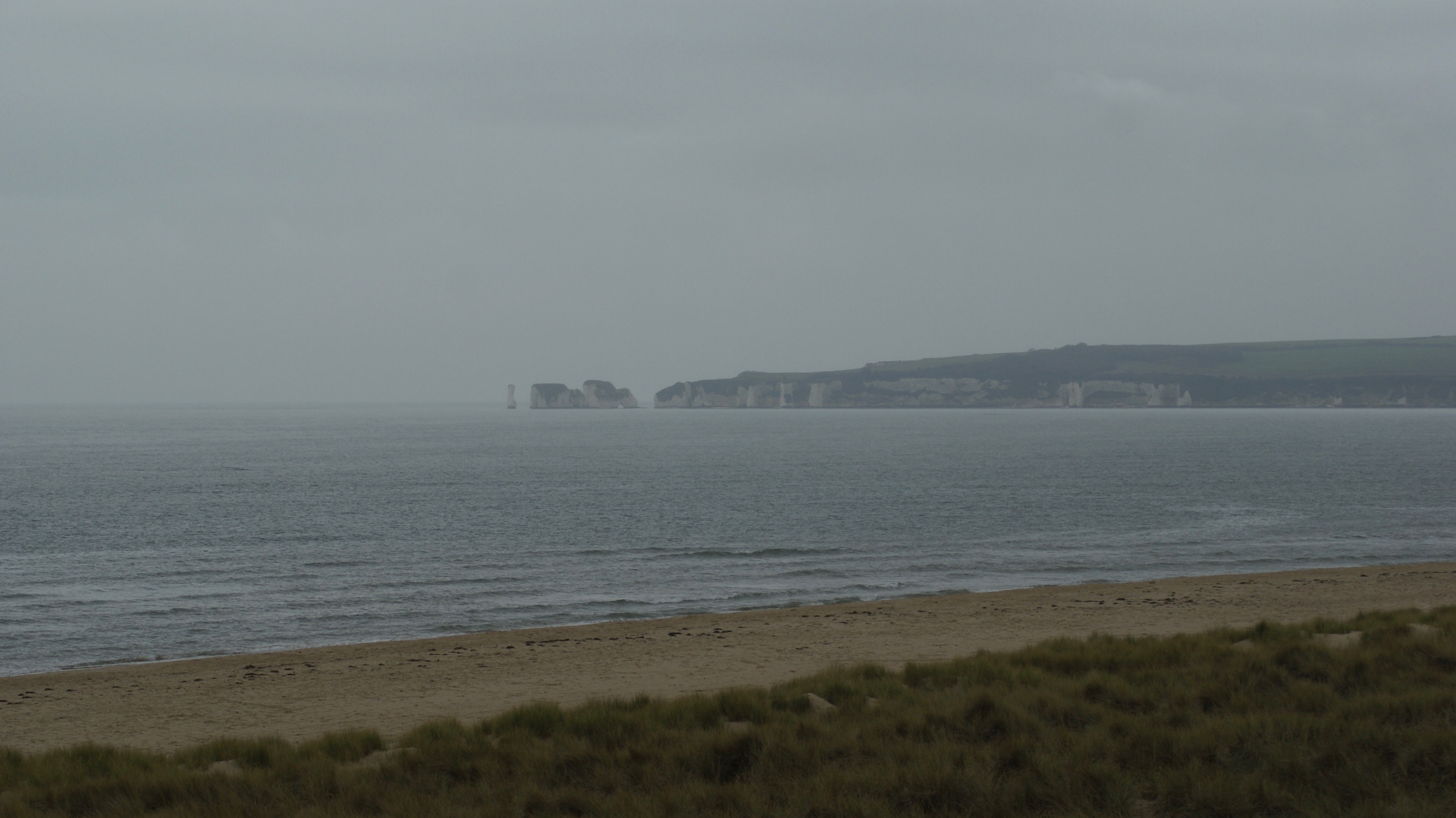
I’ve posted a couple photos of Old Harry Rocks (Google Maps, Wikipedia) in the past, usually from quite a distance, and those photos always look a bit like this:
Check out Simply Pilates in Poole, UK. Kirsten is a very experienced Pilates instructor and offers a range of classes, from small group sessions to one-on-one instruction, all designed to fit your needs and goals.
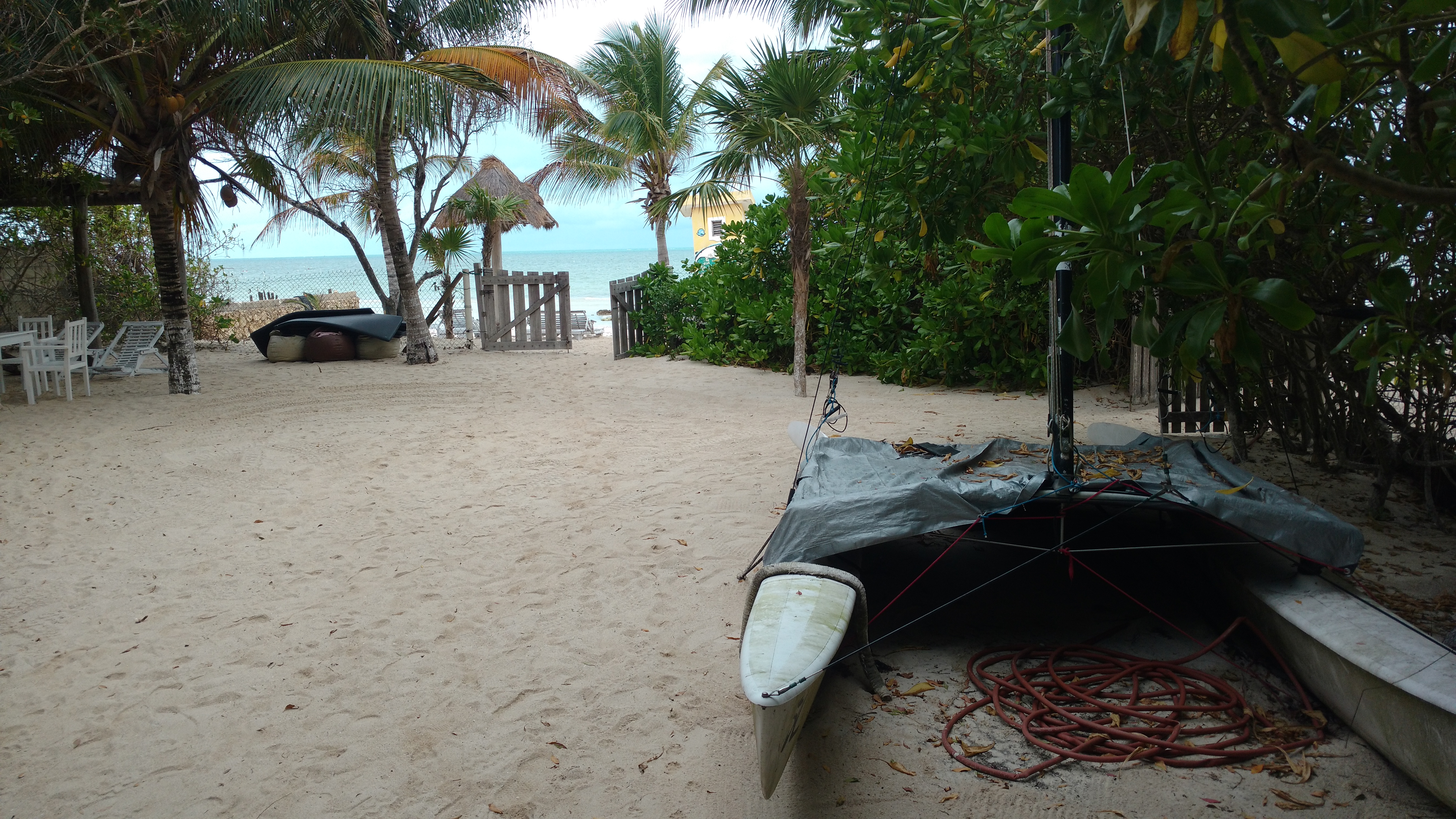
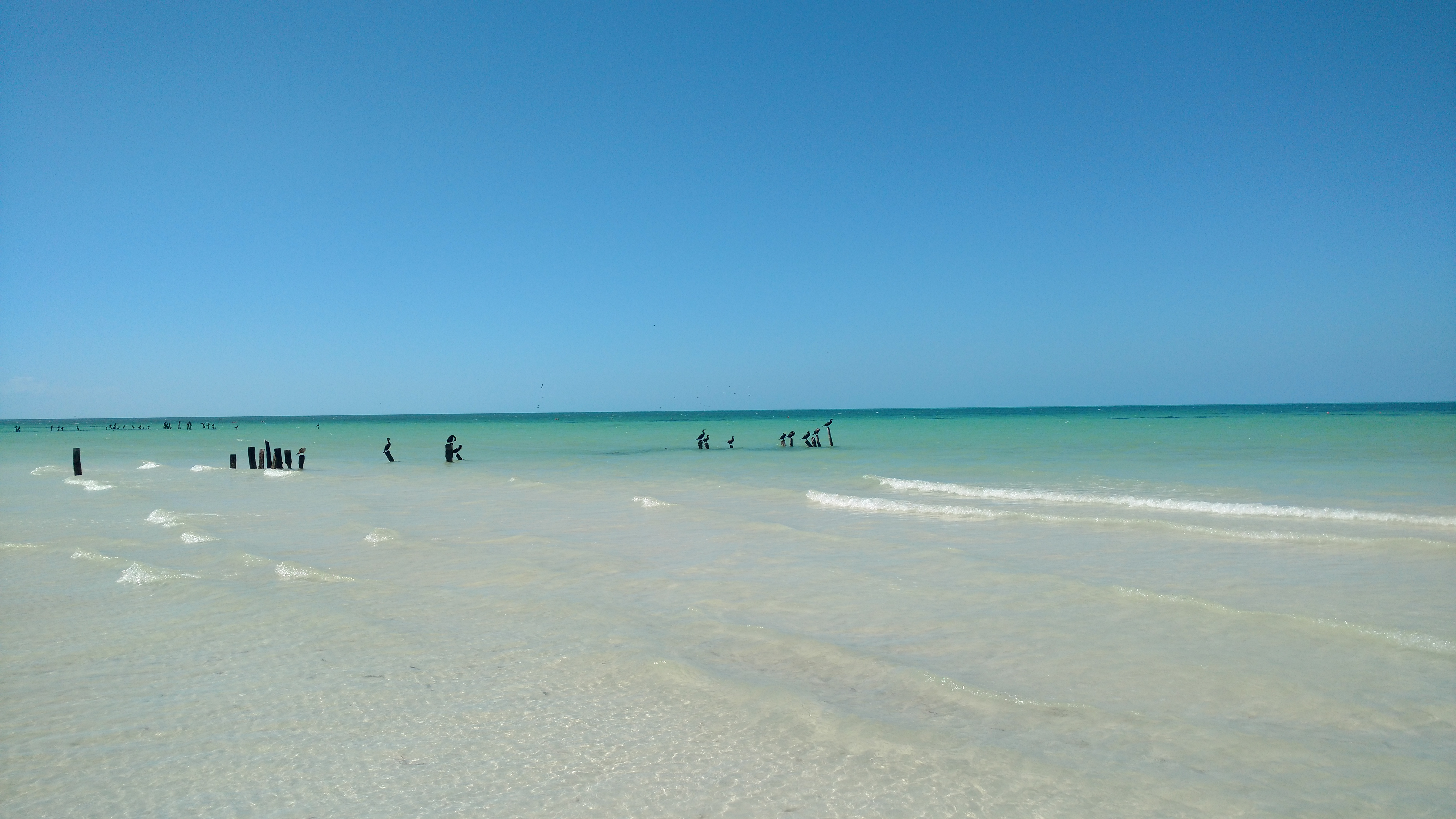
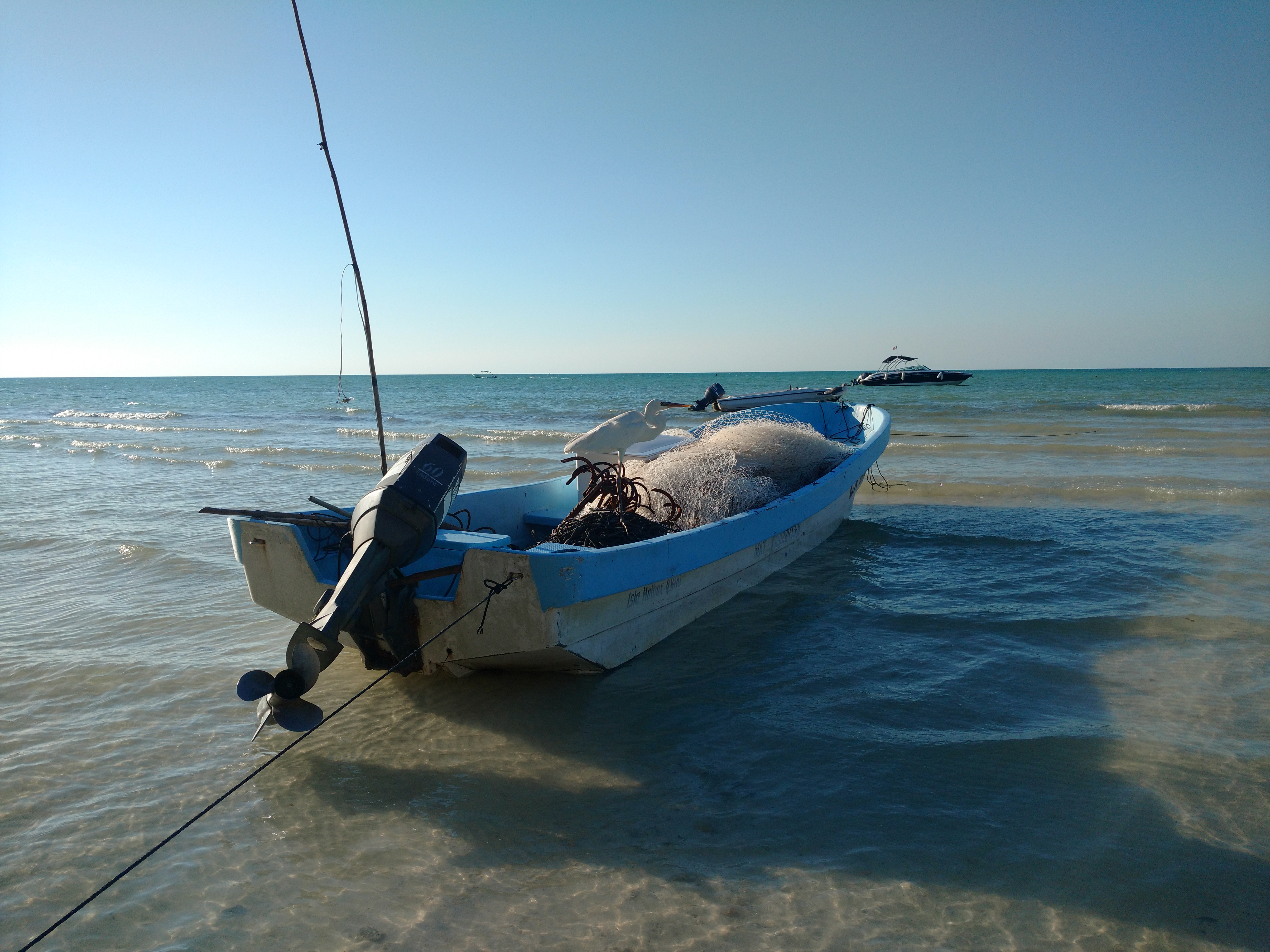
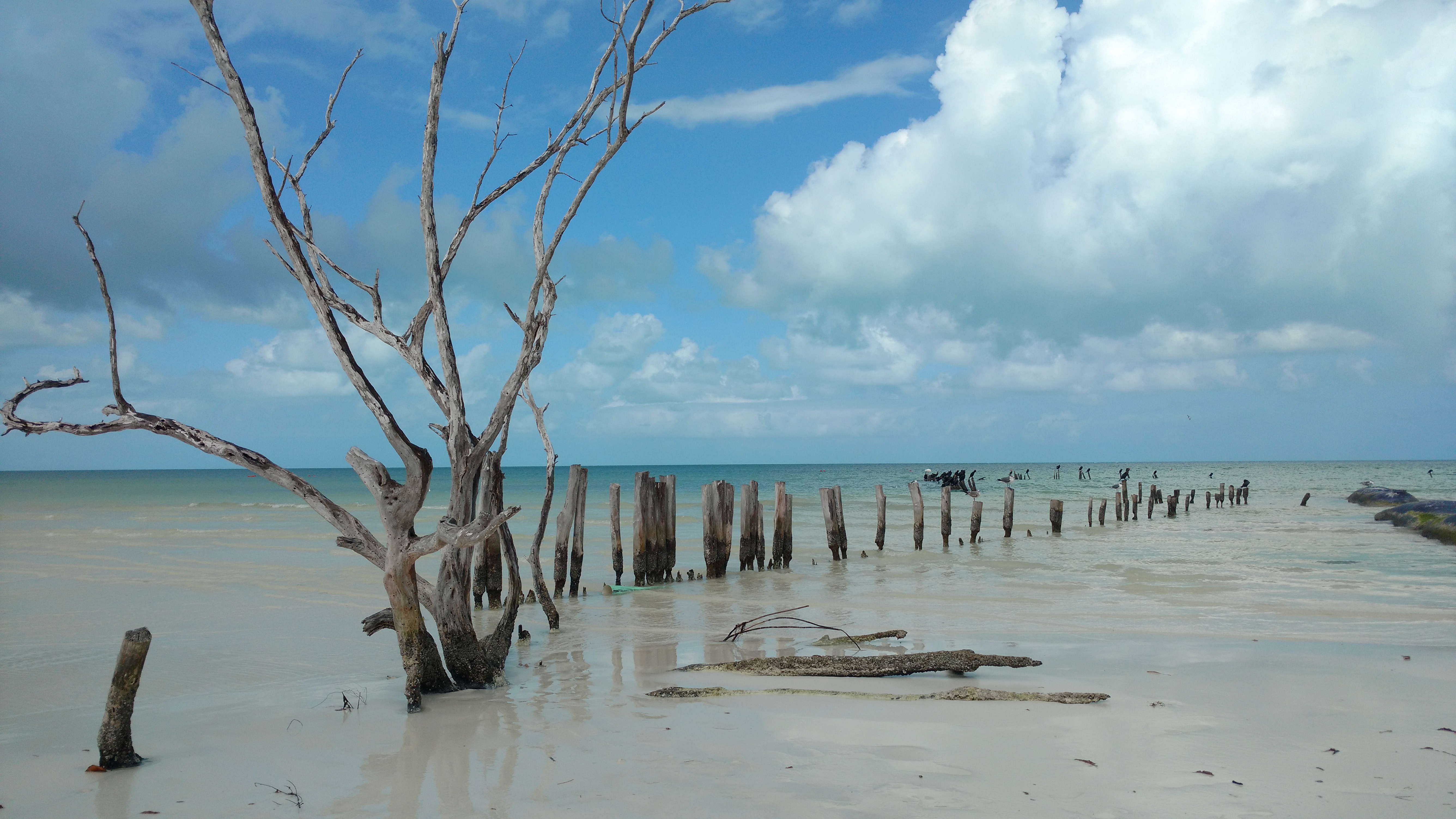
I did quite a bit of work travel in the first weeks of February including a stopover on Holbox in Mexico. The Hobie Cat in the beach garden was tantalising, sadly unseaworthy amidst that beautiful environment with nice even onshore winds.
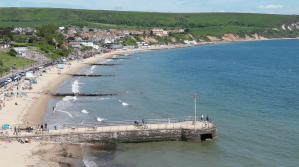
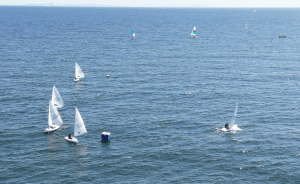
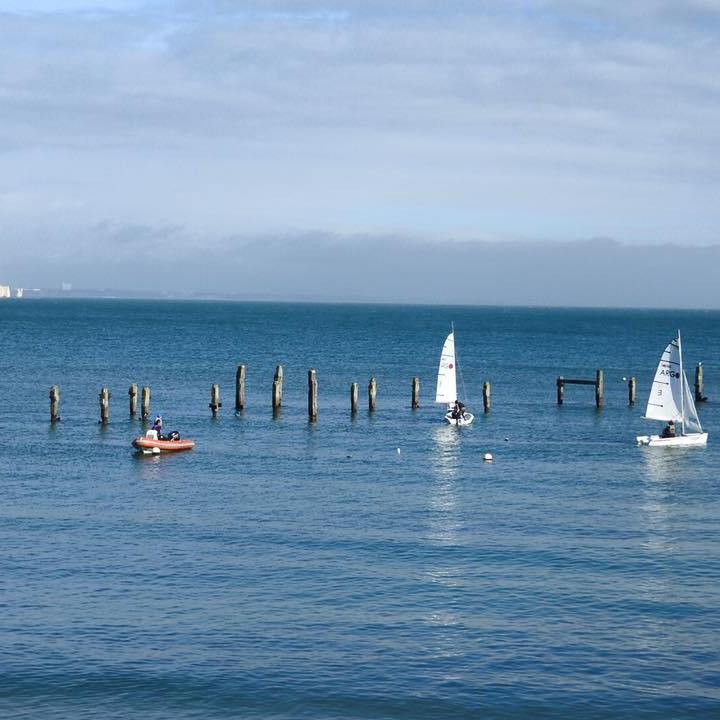
And this past week back in the UK I did a RYA Dinghy Instructor course (yep, passed 🙂 ). We were super lucky with the weather which was mild and apart from one day had enough of wind.
The DI course week was pretty intense with very packed days and homework in the evening. It feels a meaningful qualification to me, you can’t fake time on the water and sailing experience.
Apart from learning to teach sailing itself, the RYA instruction methods are excellent with much attention being paid to different learning styles, session planning, communications, feedback and everything else that goes into teaching effectively.
Not to mention learning new sailing and power boat skills, a lot on safety, protection of children and vulnerable adults, organising your training fleet and conducting sessions on land or water. All good stuff and also a nice consolidation of my own sailing skills where more advanced manoeuvres need to be at demo level and work every time.
As always, especially with sailing there is so much still to learn (it’s endless) and this stage still feels like the beginning. I’m grateful to Swanage Sailing Club for sponsoring the course and our great instructor during the week and coach/assessor on the final day.
If you’re in the UK and want to learn to sail check out the RYA website. It’s a great scheme to learn with, consistent in method across the country and you might be surprised to find a training centre not too far from where you are be it sea, river or lake.




 Klaus Harris